The veins and arteries of a land are the roots, from the tiny dandelions that migrate with the
wind to the intertwined bar and pipal that grasp the soil with unyielding firmness; plants breathe life
into a piece of land. In cultures across the world where ecology perseveres, humans have systematically
planted and chopped down trees, acting as gardeners informed by the multi-generational indigenous
knowledge of the soil, guiding them to live in harmony with nature. Planting fruit-yielding trees is a
simple task in practice and reasoning, but their effects are multidimensional. The immediate thought
of indulging in ripe seasonal produce and income generation aside, plants act as agents enabling local
empowerment and sustainable living in the battle against climate change.
Believing in the transformative power of plantation, we, at Buneko, have initiated a pilot
project from Bhattedada, Bagmati rural municipality, Lalitpur, as a part of our broader philosophy of
joining forces in promoting sustainability and tackling climate change. This philosophy isn’t confined
to specific projects; it extends to holistic solutions that involve people and their knowledge in building
ecosystems that inturn have real value in individual’s lives.
Buneko has always operated at the core of sustainability and community strength, and this project is an
organic continuation of that vision. As an effort to empower local farmers and conserve the vitality of
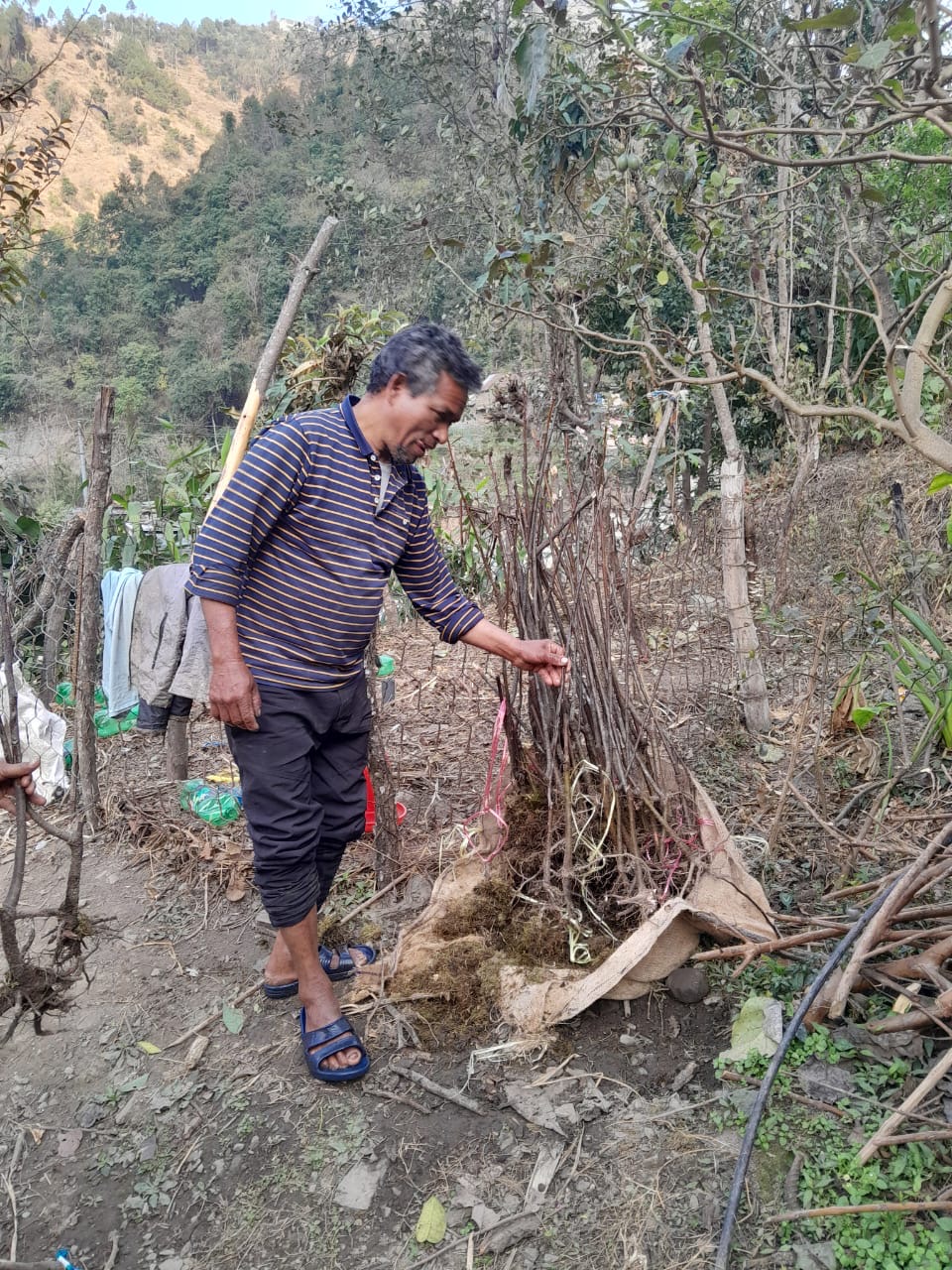
the land through collaborative plantation, we distributed 500 specially grafted Lapsi(Nepali
Hog Plum) to the local farmers. Partnership with Pushpa Bikash Kendra for technical guidance and
high-quality grafted saplings and Bagmati Rural Municipality for outreach and logistics were crucial in
realising Buneko’s vision.
The choice of plant did not come by chance, it came through extensive assessment of the farmer’s land, overall geographical area and climate conditions. The study revealed the area to be ripe with possibilities for the native sour fruit-bearing Lapsi which mature faster, giving farmers a tangible reason to continue tending their land. Our conversations with the farmers and the locals from the communities also proved vital for us to focus on growing Lapsi.
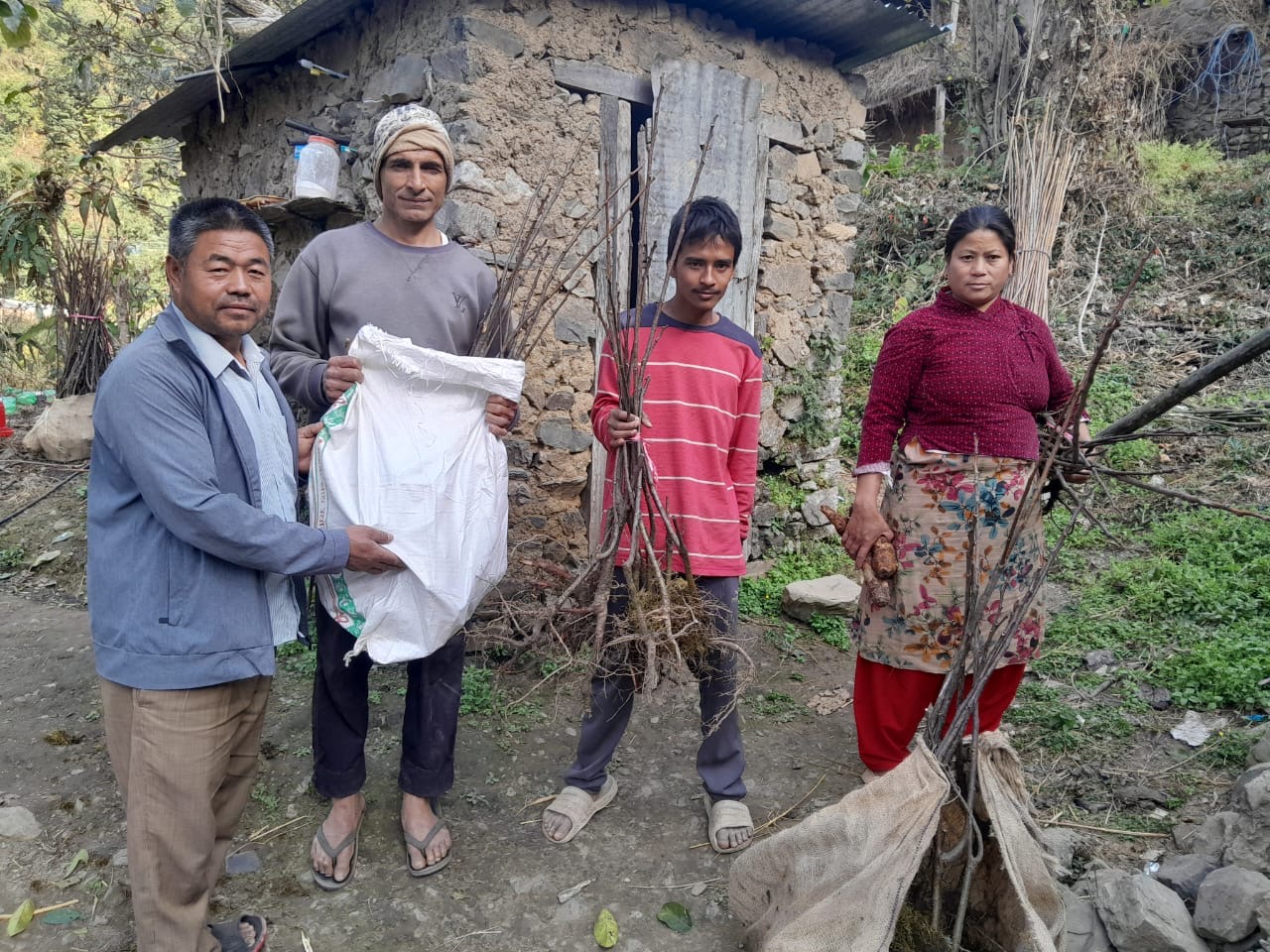
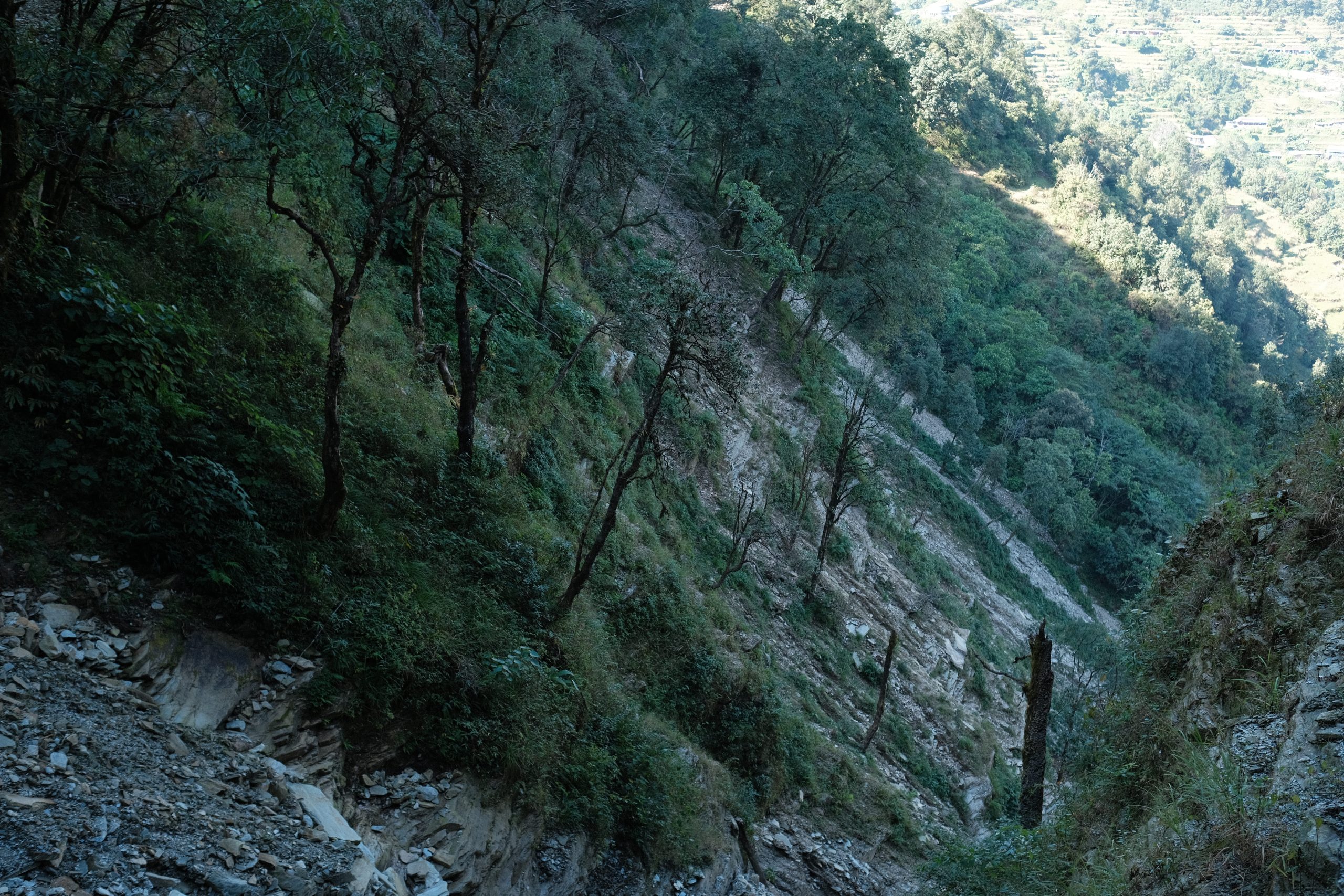
The trees will decorate empty spaces around Bhattedada, repopulating the barren lands and nurturing
them with renewed vigour. When the saplings mature, they will paint the hillsides of the village with
luscious greens and in springtime bear mouth-watering tart fruits in the hundreds. The roots of these
trees burrow deep within the hills and hold on to the soil, retaining moisture and helping to prevent
erosion. The surplus fruits can be canned with sugar into candies that are quite popular in Nepali
households. This is just one example of how systematically planning and planting one native species
can benefit the community and the environment.
In a biodiverse place like Nepal, where countless varieties of trees flourish all across the Himalayas, hills
and plains, with proper planning, action and clear vision for a sustainable future, we believe that the
prospect of prosperity and preservation looks promising.
Planting is only the beginning, our collaborative spirit will be tested in the care that follows.
Buneko, therefore, is shaping ways to remain present, not just as overseer but as partner that offers both
guidance and support to the farmers and locals as the trees take root in their lives.
One of the initiatives being considered is to carry out systematic yearly follow-ups which would allow the team to find out how many plants were actually planted, determine whether they were cared for during their first year, and establish why any of them would have been abandoned. All these will give direction to continue such projects by helping in identifying areas, choosing plants and recognising how it adds value to the community.
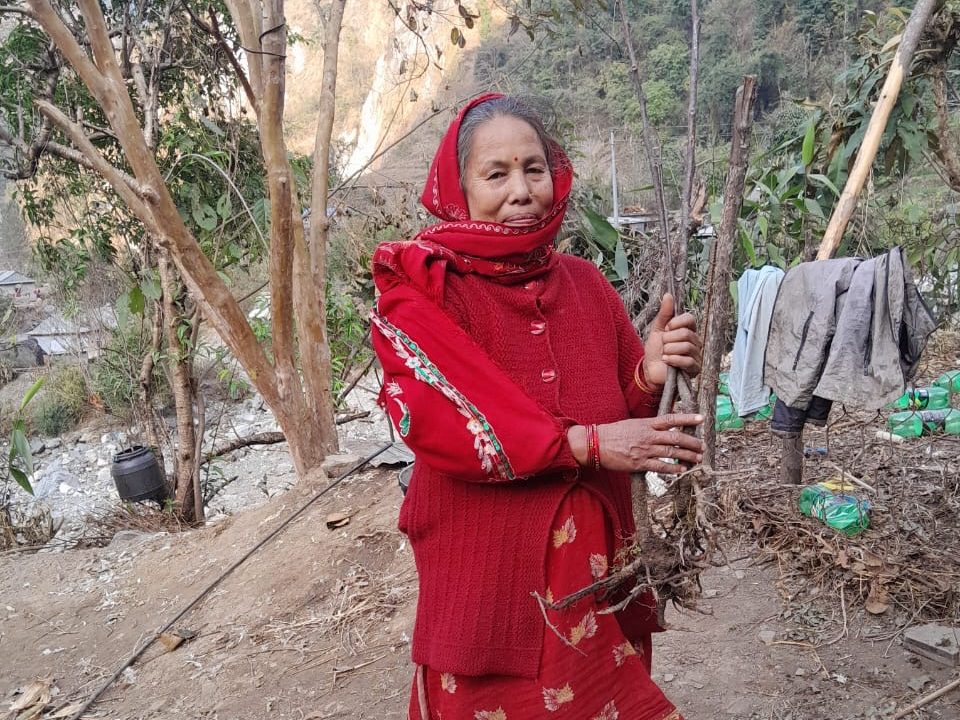
This initiative is a thread in the larger fabric Buneko has been weaving to connect sustainability and the
preservation of local skills and practices. The experience from our previous endeavours such as
reimagining surplus materials as resources and promoting the craft of local artisans has inspired us to
help local communities to preserve and encourage sustainable living in whatever ways we can.
Working on the ground with researchers, technicians, government officials, farmers and the locals has
been a great learning for us in terms of how ideas get received and understood by different
stakeholders. Every challenge we encountered made us more aware about the reality of things.
However, in the end, it only strengthened our determination and will to act for the environment and
the betterment of the locals. The experience has also taught us a great deal about resource mobilisation,
grassroots activation and scaling impact for our future projects.
For Buneko, as a team, this project is an essential milestone in showing that our sentiments for
sustainability and environmental protection are genuine, and that we are working towards it even at
the grassroots level. It has also shown that our will for change when reflected in informed action can be
a unifying force that gets government officials, farmers and communities to act for a common purpose.
Witnessing the dedication of farmers, the glimmer of hope on their faces, and the trust we have built
with them has reminded us that these projects touch lives in profound and personal ways and that our
responsibility goes beyond this initiative.
These invaluable learnings will not just help in guiding Buneko towards its goals but also prompt self reflection into who we are and what we stand for by helping us better understand our values and beliefs.
At the end, the custodians of this initiative are the locals themselves, we are simply joining hands.
The best time to plant a tree was 20 years ago. The second-best time is now.
A Note to Gratitude
This initiative would not have taken shape without the thoughtful involvement of local farmers, the
technical support of Pushpa Bikash Kendra, and the coordination offered by Bagmati Rural
Municipality. We hope that the saplings find care and purpose in the hands of those who know this
land best.
— Saurav Karki, Buneko Nepal